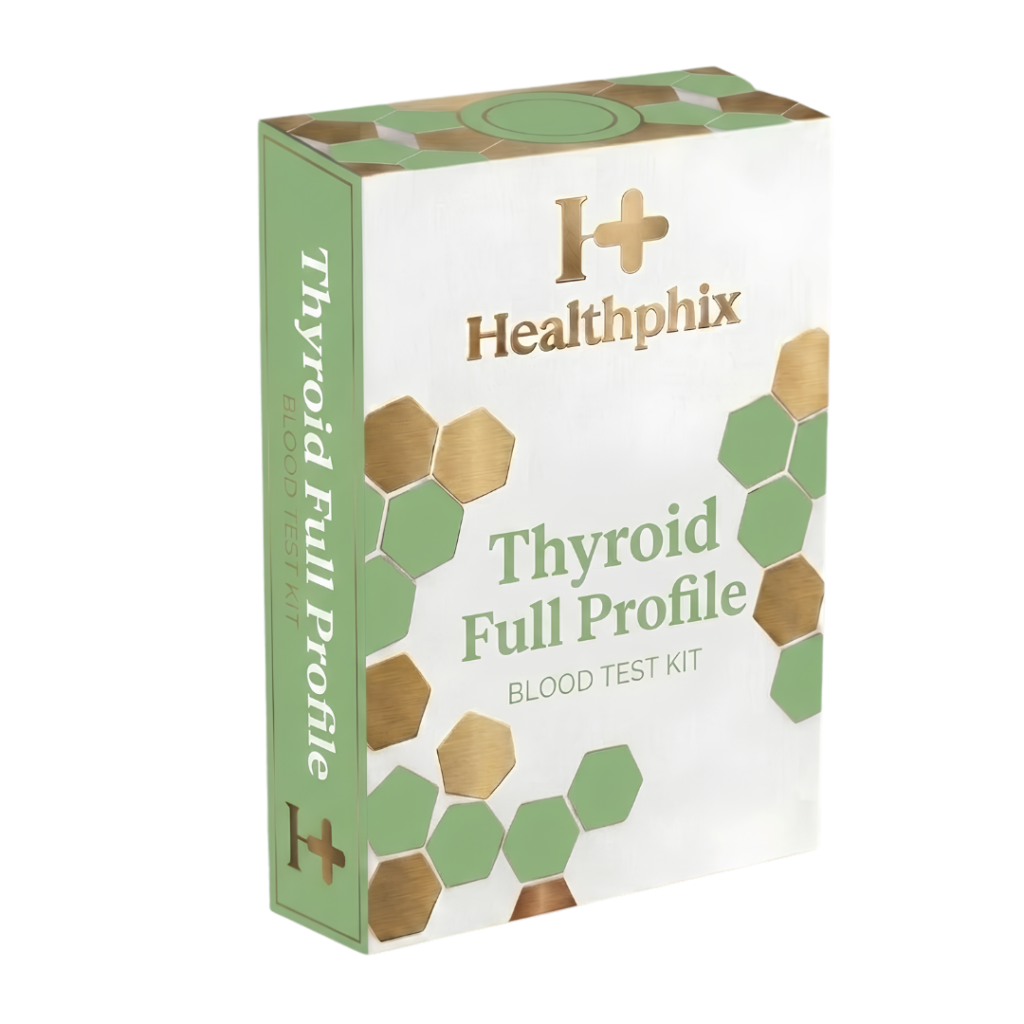
Biomarkers Tested
Antithyroglobulin Antibodies (ATA)
Antithyroglobulin antibodies are produced when the immune system mistakenly targets thyroglobulin, a protein made by the thyroid gland. Elevated antibody levels may indicate autoimmune thyroid conditions such as Hashimoto’s thyroiditis or Graves’ disease.
Testing ATA can help identify autoimmune causes of thyroid dysfunction and may assist in diagnosis, ongoing monitoring, and treatment planning.
Free T3 (Triiodothyronine)
Free T3 is the active thyroid hormone responsible for regulating metabolism, energy production, body temperature, and many cellular functions throughout the body.
Measuring Free T3 helps determine whether your thyroid is producing appropriate hormone levels and is particularly useful when investigating symptoms of both overactive and underactive thyroid function.
Free T4 (Thyroxine)
Free T4 is the primary hormone produced by the thyroid gland and serves as the precursor to the more active T3 hormone. Measuring the free, unbound portion of thyroxine provides an accurate assessment of hormone availability.
Abnormal Free T4 levels may contribute to symptoms such as fatigue, weight changes, poor concentration, altered energy levels, fertility concerns, and changes in heart rate.
Thyroid Peroxidase Antibodies (Anti-TPO)
Thyroid Peroxidase (TPO) antibodies are commonly found in autoimmune thyroid disorders. Elevated Anti-TPO levels suggest that the immune system is attacking healthy thyroid tissue, which can gradually reduce thyroid function over time.
This marker is widely used when investigating Hashimoto’s thyroiditis and other autoimmune thyroid diseases.
Thyroid Stimulating Hormone (TSH)
TSH is produced by the pituitary gland and controls how much thyroid hormone your thyroid produces. It is one of the primary markers used to assess thyroid function and is often the first indicator of an underactive or overactive thyroid.
Abnormal TSH levels may be associated with symptoms such as fatigue, weight changes, mood disturbances, hair loss, changes in body temperature, and reduced energy. When interpreted alongside Free T3, Free T4, and thyroid antibodies, it provides a comprehensive picture of thyroid health.